What’s the Difference (and Why We Keep Getting It Wrong)
If you’ve ever heard someone suggest “Let’s do high tea!” when they mean delicate sandwiches, scones, and teacups, you’re not alone. In fact, this mix-up is so common that “high tea” has become shorthand—especially outside the UK—for something it never actually was.
Ironically, afternoon tea is the elegant tradition people are usually aiming for, while high tea is something quite different altogether. Let’s clear up the confusion.
What Afternoon Tea Really Is
Afternoon tea originated in early 19th-century England, popularised by Anna, the 7th Duchess of Bedford. At the time, dinner was served late in the evening, and the Duchess found herself hungry in the mid-afternoon. Her solution? A light meal of tea, bread, butter, and cakes around 4 p.m.
Over time, this ritual evolved into the refined affair we recognise today.
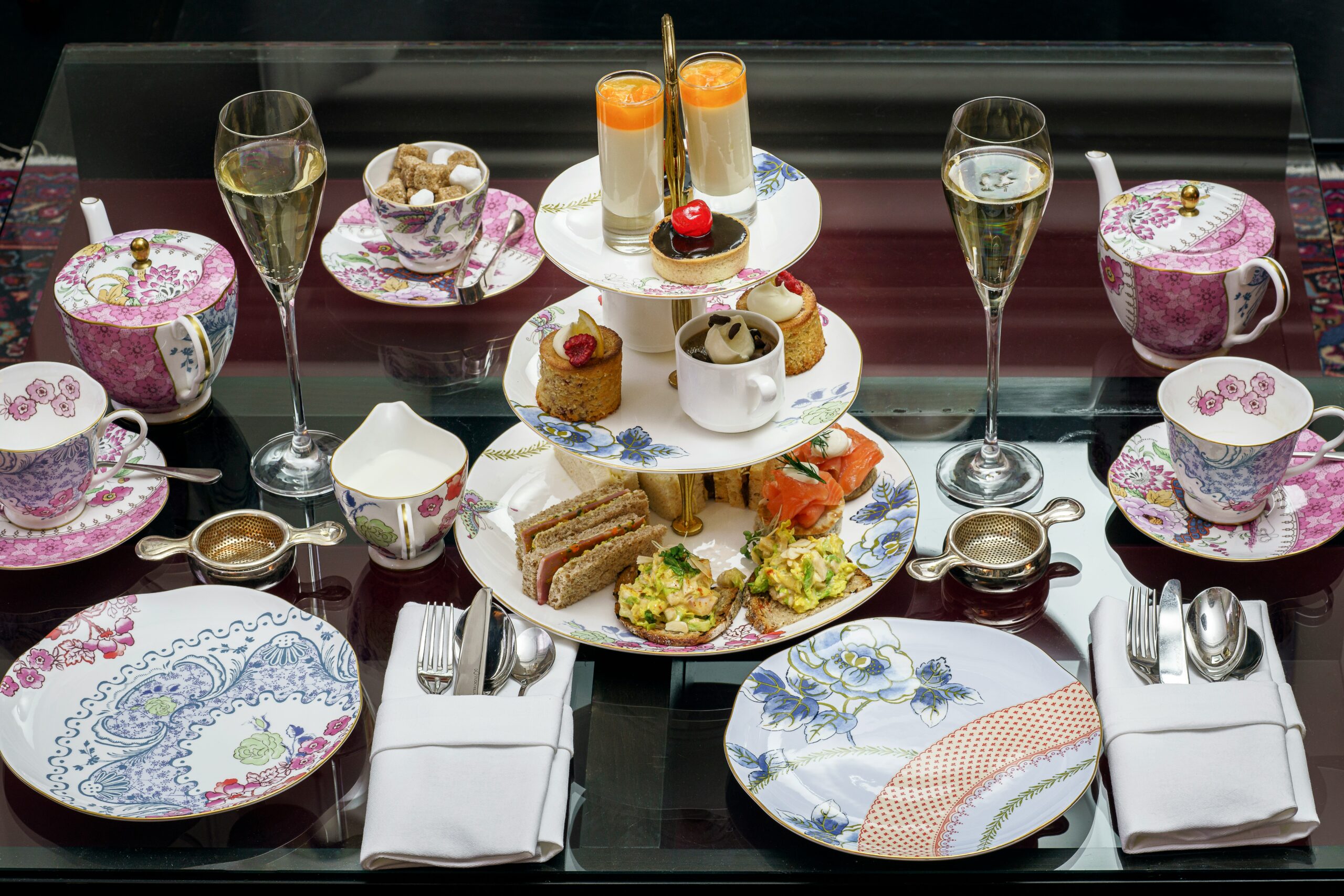
Afternoon tea typically includes:
- A selection of teas
- Finger sandwiches (think cucumber, egg and cress, smoked salmon)
- Scones with clotted cream and jam
- Small cakes and pastries
It’s traditionally served in drawing rooms or sitting rooms, often on low tables—hence its association with leisure, refinement, and socialising. This is the experience offered by luxury hotels and tearooms, and it’s what most people picture when they imagine a “fancy tea.”
What High Tea Actually Is
Despite how it sounds, high tea is not the posh one.
High tea emerged among the working and middle classes in Britain during the Industrial Revolution. It was served later in the day, typically between 5 and 7 p.m., and functioned as a substantial evening meal rather than a light snack.
High tea traditionally includes:
- Strong tea
- Hearty, savoury dishes such as meat, eggs, pies, fish, or cheese
- Bread, potatoes, and sometimes baked goods
The name “high tea” doesn’t refer to social status or elegance—it comes from the high dining table at which it was eaten, as opposed to the low tables used for afternoon tea.
In other words, high tea was practical, filling, and designed to sustain people after a long day of work.
So Why Do We Keep Calling Afternoon Tea “High Tea”?
The confusion largely comes down to language and perception. To modern ears, “high tea” sounds grander. The word “high” is often associated with luxury, class, or formality, so people naturally assume it must refer to the more refined tradition.
In reality, it’s the opposite:
- Afternoon tea = elegant, light, leisurely
- High tea = hearty, practical, meal-like
Outside the UK, especially in hotels, cafés, and marketing materials, “high tea” is often used incorrectly because it sounds more impressive—even when the offering is unmistakably afternoon tea.
Why the Distinction Matters (A Little)
Of course, language evolves, and no one’s enjoyment of a scone is ruined by a technicality. But understanding the difference adds a bit of cultural context—and helps keep traditions accurately represented.
If you’re booking a tiered stand of pastries and sandwiches at 4 p.m., you’re having afternoon tea. And if you ever do find yourself sitting down to sausages, eggs, and a strong brew at the end of the workday? That is high tea.
Now you know—and you can sip smugly while correcting your friends. ☕
Opelika Event Venue
Are you looking to host your own Opelika tea party? Heritage House is the absolute perfect location for event producers to plan small, but elegant events like tea parties, receptions, showers, networking events, meetings, and other get togethers. We can also host larger events (up to 150 people), such as weddings, with the majority of the event being hosted outside on the side lawn. Get in touch to discuss your Opelika event venue needs.